
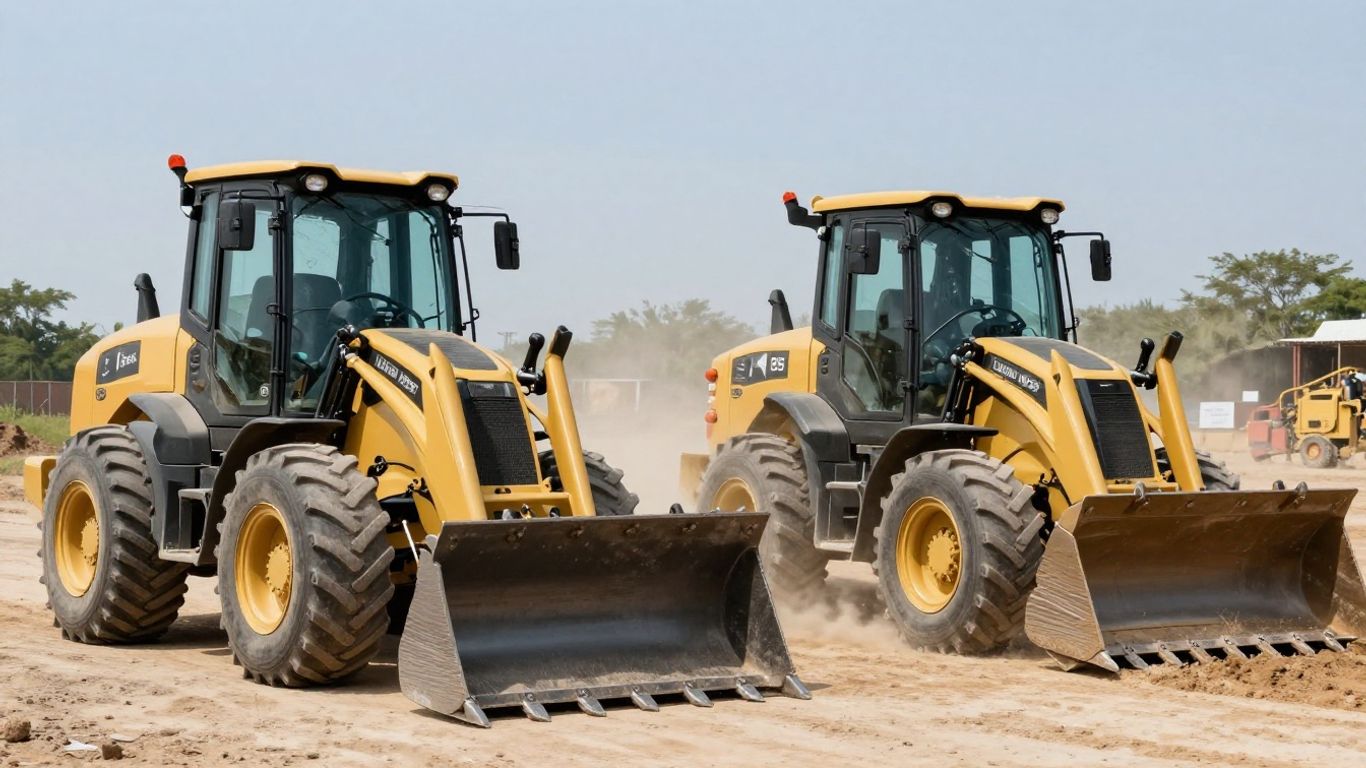
Choosing between renting and buying a skid loader is a big decision. Here are the main points to remember to help you make the right call.
Key Takeaways
- Renting is usually cheaper for short-term jobs and means less hassle with maintenance and storage.
- Buying costs more upfront but can be cheaper over time if you use the skid loader a lot.
- Consider how often you’ll need the equipment; frequent use leans towards buying.
- Renting gives you access to different types of machines for specific tasks without commitment.
- Think about your budget and long-term business plans when making your choice.
Understanding Skid Loaders: A Quick Overview
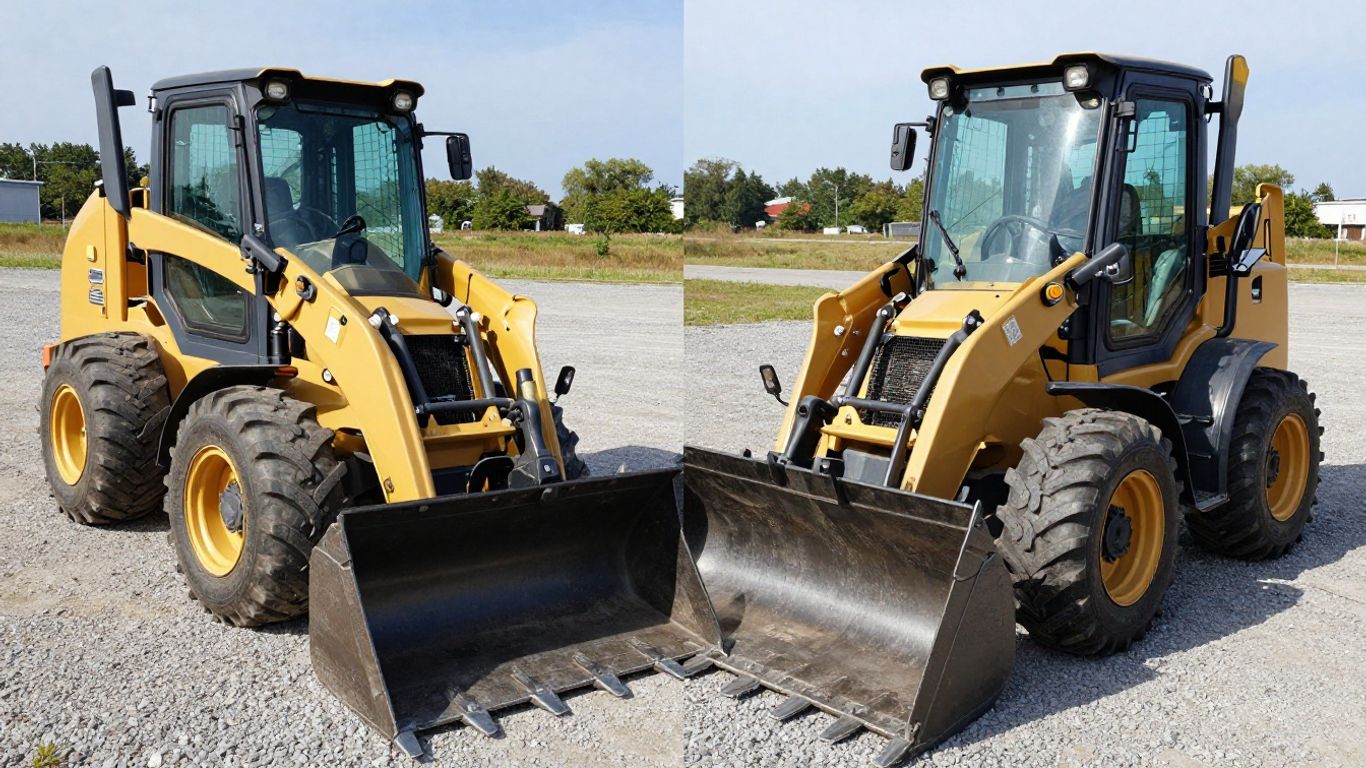
So, what exactly is a skid loader? Think of it as a small, tough piece of construction equipment that’s super handy for a bunch of different jobs. Its main trick is its ability to ‘skid turn,’ meaning it can rotate in place by driving its wheels or tracks in opposite directions. This makes it incredibly maneuverable, especially in tight spots. You’ll see them everywhere, from construction sites to landscaping projects, moving dirt, snow, or whatever else needs shifting.
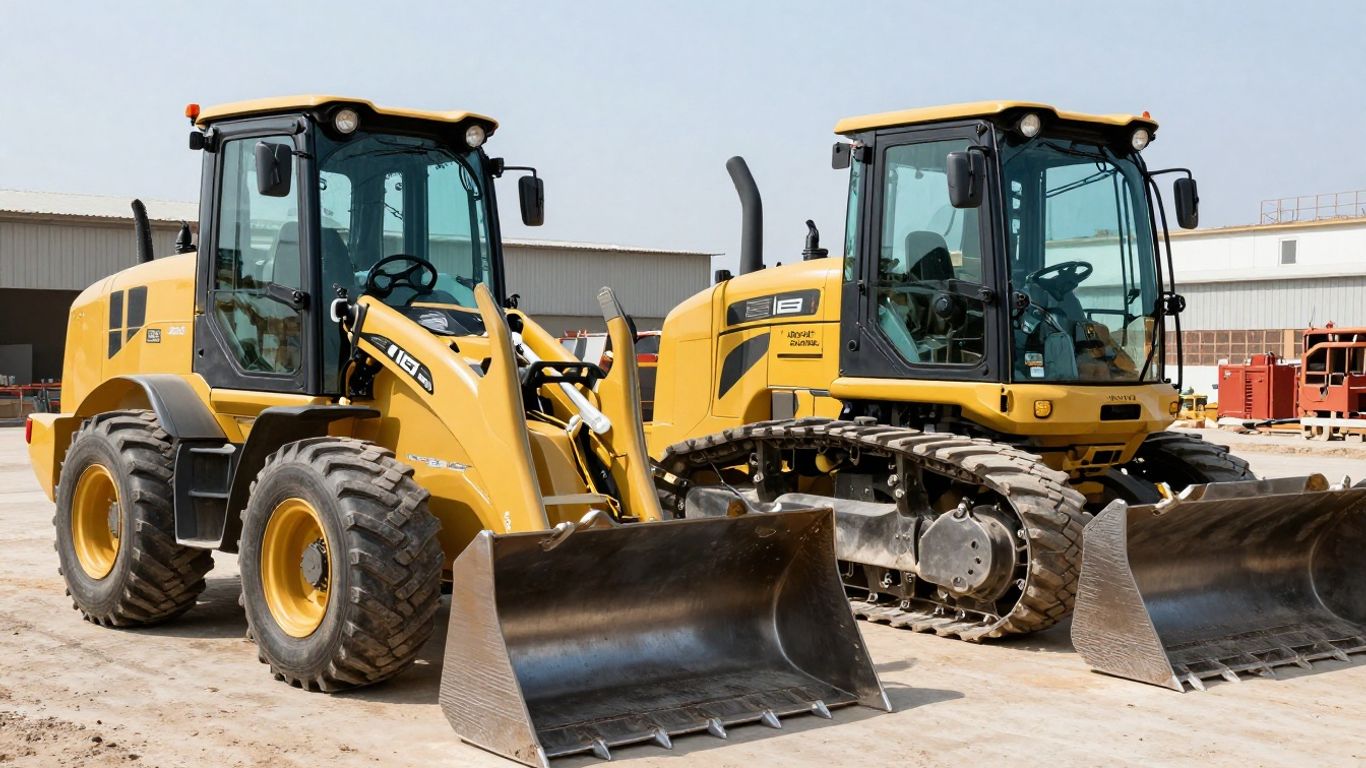
There are two main types you’ll run into: wheeled skid steers and compact track loaders (CTLs). The biggest difference? Wheels versus tracks. Wheeled skid steers are generally better on hard, flat surfaces like concrete or asphalt because they don’t tear them up. If you’re working on softer ground, like mud, sand, or uneven terrain, a CTL with its tracks is usually the way to go. Tracks distribute the weight better, giving you more stability and less chance of getting stuck. It’s a bit like choosing between sneakers and hiking boots – depends on where you’re walking.
Here’s a quick rundown of where each shines:
- Wheeled Skid Steers: Great for paved surfaces, general material handling, and jobs where maneuverability on hard ground is key.
- Compact Track Loaders (CTLs): Ideal for rougher terrain, landscaping, demolition, and jobs requiring more traction and stability on soft or uneven ground.
These machines are workhorses, and their versatility is a huge part of their appeal. They can be fitted with all sorts of attachments – buckets, forks, augers, breakers, you name it. This means one machine can do the job of several others, which is why they’re so popular. If you’re looking for a reliable piece of kit for various tasks, checking out different material handling equipment might give you a better idea of what’s out there.
When you’re looking at skid loaders, whether for rent or purchase, pay attention to the lift arm design. Some lift vertically, others in an arc. This affects how high and how far forward the machine can place a load, which can be a big deal depending on what you’re trying to do.
The Case for Renting a Skid Loader
So, you’re looking at a job that needs a skid loader, but you’re not sure if buying one makes sense. Renting might be the way to go, especially if this isn’t a daily thing for you. It’s a pretty straightforward option that can save you a lot of headaches and upfront cash.
Cost-Effectiveness for Short-Term Projects
If you’ve got a project that’s going to wrap up in a few weeks or months, buying a skid loader is probably overkill. Think about it: you’d be spending a big chunk of money on a machine you’ll barely use after the job is done. Renting, on the other hand, means you pay only for the time you actually need the equipment. This can be a huge money saver. You avoid the large initial purchase price and the associated financing costs. Plus, you can often find a great skid loader for rent that fits your budget for the duration of your specific task.
Renting lets you match the equipment to the job without the long-term financial commitment of ownership. It’s about paying for what you use, when you use it.
Access to a Variety of Equipment
Another perk of renting is the sheer variety of machines you can get your hands on. Need a specific type of skid loader with particular attachments for a unique job? Rental companies usually have a wide inventory. This means you can get the exact machine for the task, whether it’s a wheeled model for paved surfaces or a tracked one for softer ground. You’re not stuck with one machine; you can try different types or sizes depending on what the project demands. This flexibility is hard to beat when you’re trying to get a specific job done efficiently.
Reduced Maintenance and Storage Hassles
When you rent a loader, the rental company handles all the maintenance and repairs. That means no surprise bills for fixing a broken hydraulic line or replacing worn-out tires. You also don’t need to worry about where to store the machine when it’s not in use. Finding a secure, dry spot for a skid loader can be a challenge, and it adds to your overhead. With Skid Loader Rental, you just pick it up, use it, and return it. It’s a much simpler process that lets you focus on the work, not on equipment upkeep.
The Case for Purchasing a Skid Loader
Buying a skid loader is a big step, and it makes sense for certain situations. If you find yourself needing a skid loader more often than not, or if you have a long-term project lined up, purchasing might be the way to go. It’s an investment, for sure, but one that can pay off over time. Think about it like this: if you’re constantly renting, those costs add up. Eventually, you hit a point where paying monthly installments on a purchased machine starts looking like a smarter financial move than shelling out for rentals week after week. Owning your equipment means it’s always ready when you are.
Contractors who use a skid loader more than three times per week often find ownership more cost-effective than repeated rentals, especially on multi-phase construction projects. Frequent use can quickly offset the higher upfront investment and provide greater scheduling flexibility.
Long-Term Investment and Availability
When you own a skid loader, it’s yours. No more calling around to find a rental, no more worrying if the specific model you need will be available. It’s parked on your lot, ready to tackle whatever job comes your way. This kind of constant availability can be a real game-changer, especially if you have a steady stream of work or unexpected tasks pop up. Plus, as you use it more, you get to know its quirks and capabilities inside and out, making you more efficient.
During busy construction and landscaping seasons, rental equipment may be in high demand. Contractors who depend on a skid loader for daily operations often consider ownership to avoid scheduling conflicts and equipment shortages during peak periods.
Customization and Branding Opportunities
Purchasing a skid loader opens up possibilities for customization. You can add specific attachments that are perfect for your niche work, making your machine a specialized tool. Beyond functionality, you can also brand your equipment. Imagine your company logo proudly displayed on the side of your skid loader. It’s not just about looking professional; it’s a mobile billboard for your business, reinforcing your brand every time it’s out on a job site. This kind of visibility can help attract new clients and build recognition in your community. If you’re looking for a specific Skid Steer for Sale, exploring options with dealers can often lead to finding the right fit for customization.
Potential for Resale Value
While renting means you never have to worry about depreciation, purchasing a skid loader means you’re acquiring an asset. Like any significant piece of machinery, skid loaders hold their value, especially if they are well-maintained. When you eventually decide to upgrade or no longer need the machine, you can sell it. The amount you recoup depends on the model, its condition, and market demand, but it’s certainly more than you’d get back from a rental agreement. This potential resale value softens the initial purchase cost over the machine’s lifespan. Finding a good skid loader for sale that’s been well-cared-for can be a smart move for future resale.
When you’re weighing the decision to buy, do a little math. Compare your projected annual rental costs against the total cost of ownership, including financing, maintenance, and insurance. If the numbers lean towards buying, and you have the capital or financing in place, it’s often the more economical choice for consistent use.
Key Factors to Consider When Deciding
So, you’re trying to figure out if renting or buying a skid loader makes more sense for your situation. It’s not a one-size-fits-all answer, that’s for sure. A bunch of things play into it, and honestly, it can get a little complicated if you don’t break it down.
Equipment selection should also take operator experience into account. Different skid loader models, attachment systems, and control configurations can affect productivity. Rental providers often offer access to newer machines that may be easier to operate and equipped with updated safety features.
Project Scope and Frequency
First off, think about what you’re actually going to be doing with the machine and how often you’ll need it. If you’ve got a single, short-term job, like a big landscaping project that’ll take a few weeks, renting is probably the way to go. You get the equipment you need, use it, and then you’re done. No long-term commitment, no storage headaches. It’s like borrowing a tool for a specific task.
But, if you’re constantly taking on jobs that require a skid loader, maybe you’re a contractor who does a lot of site prep or demolition work, then buying starts to look pretty good. Owning means it’s always there when you need it, ready to roll. You don’t have to worry about availability or delivery delays. Plus, you can use it as much as you want without racking up rental fees or worrying about wear-and-tear charges.
Here’s a quick way to think about it:
- Short-term, infrequent use: Renting is usually the winner. You pay for what you need, when you need it.
- Long-term, frequent use: Buying often makes more financial sense over time. It becomes a tool of your trade.
- Specialized tasks: Renting allows you to try out different models or attachments for specific jobs without a big commitment.
Deciding between renting and buying isn’t just about the immediate price tag. It’s about looking ahead at your business needs, how much you’ll rely on the equipment, and what makes the most sense for your budget and operational flow.
Budget and Financial Strategy
Your budget is obviously a huge part of this. Renting has a lower upfront cost, which is great if cash is a bit tight right now. You can get the job done without a massive capital outlay. This can really help with cash flow, especially for smaller businesses or those with other big expenses. However, those rental payments add up over time, and if you’re renting for months on end, it can become more expensive than owning.
Buying, on the other hand, means a bigger hit to your wallet at the start. But once you own it, you’ve got an asset. You can also look into tax benefits like depreciation. Owning gives you more control over when and how you maintain the machine, which can prevent costly breakdowns. If you’re planning on using the skid loader for years, the long-term cost of ownership can be much lower than continuous renting. It’s worth looking into used equipment options if the initial purchase price is a concern.
Maintenance and Downtime
When you rent, the rental company is usually responsible for the maintenance. That’s a big plus – less hassle for you. If something breaks down, you call them, and they fix it or swap it out. This can mean less downtime for your projects. However, you are dependent on their maintenance schedule and how quickly they can respond. Sometimes, a rental machine might not be in the best shape if it hasn’t been looked after properly.
If you buy, you’re in charge of all the maintenance. This means you can set up a schedule that works for you and keep the machine in top condition. You know its history and can address issues before they become major problems. This gives you peace of mind and can lead to better performance. You’ll want to factor in the cost and time for regular servicing, and maybe even have a plan for equipment repairs if something unexpected happens.
Conclusion
Deciding whether to rent or buy a skid loader really boils down to what you need it for. If you’ve got a short job or just need it now and then, renting is probably your best bet. It saves you a ton of cash upfront, and you don’t have to worry about where to keep it or fixing it when it breaks. But if you’re going to be using it all the time for big, ongoing projects, owning one might make more sense in the long run. You’ll have it whenever you need it, and over years of use, it can actually be cheaper than renting constantly. At A.M.B. Lift Inc, we specialize in forklift sales and rentals in Ottawa and Peterborough — and we work with local contractors and property owners every day to help them make exactly this call, whether that means setting them up with a flexible skid loader rental or helping them find the right machine to purchase outright.
Frequently Asked Questions
When is renting a skid loader a better idea than buying?
Renting is a good choice if you only need a skid loader for a short time, like a few weeks for a specific project. It’s also great if you don’t use one very often. You avoid the big cost of buying and don’t have to worry about storing it or fixing it when it breaks down.
How do I know if I should buy a skid loader?
You should think about buying if you have lots of work coming up that will need a skid loader regularly, maybe for the next few years. Buying means you own it and can use it whenever you want, which can save money over renting it many times.
What are the main costs of renting a skid loader?
The main cost is the rental fee, which you pay for the time you use it (by the hour, day, or week). You might also have to pay a deposit. Sometimes, there are extra fees for delivery or if you use it more than agreed upon.
What costs are involved in buying a skid loader?
Buying a skid loader means a big payment upfront. Then, you’ll have ongoing costs like fuel, regular check-ups and maintenance, and repairs if something goes wrong. You also have to figure out where to keep it when you’re not using it.
Can I get a specific type of skid loader if I rent?
Yes, usually! Rental companies have different kinds of skid loaders and attachments. You can often pick the exact model or size that’s best for the job you need to do, which is handy if you need something special for a short time.
Does buying a skid loader offer any other benefits besides use?
When you own a skid loader, you can customize it with attachments that fit your specific needs. Plus, over time, it can build up value. If you decide to get a new one later, you might be able to sell your old one to get some money back.